


WOMEN’S HEALTH SERVICES
MANAGEMENT OF POST-PARTUM HAEMORRHAGE
What is the medical procedure called management of postpartum haemorrhage?
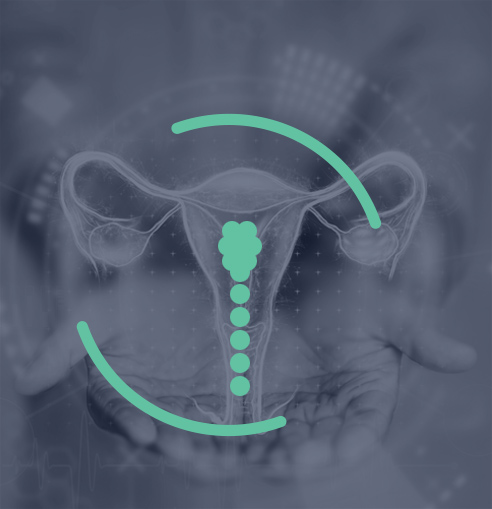
Management of post-partum haemorrhage (PPH) is a medical procedure designed to address and control excessive bleeding that occurs after childbirth. Post-partum haemorrhage is a potentially life-threatening condition characterized by excessive bleeding following childbirth. It can occur due to a variety of reasons, such as uterine atony (inability of the uterus to contract), trauma during delivery, or issues with blood clotting.
WHY DO YOU CARRY OUT THE MANAGEMENT OF POST-PARTUM HAEMORRHAGE?
The primary objective of managing post-partum haemorrhage is to prevent and control life-threatening bleeding in the aftermath of childbirth. PPH is a significant contributor to maternal mortality, making timely and effective intervention imperative. AN interventional radiologist recognizes the critical importance of swift and precise action to safeguard the health and well-being of mothers, ensuring a smooth transition to the post-partum phase.
In cases of PPH, traditional management approaches may not be sufficient. By employing advanced imaging techniques and minimally invasive procedures, the interventional radiologist can identify the source of bleeding and intervene with targeted measures to stop the haemorrhage.
WHAT HAPPENS DURING THE MANAGEMENT OF POST-PARTUM HAEMORRHAGE?
During the management of post-partum haemorrhage, the interventional radiologist follows a systematic and strategic approach to address the bleeding. While managing the condition, the interventional radiologist utilizes advanced imaging modalities, such as ultrasound or angiography, to locate the source of bleeding precisely. This diagnostic step is crucial for developing a targeted intervention plan.
Once the source of bleeding is identified, the interventional radiologist employs minimally invasive interventional techniques, such as embolization. Embolization involves blocking blood vessels that are the cause of bleeding, effectively halting the haemorrhage without the need for open surgery.
Throughout the procedure, the interventional radiologist ensures continuous monitoring to assess the effectiveness of the interventions and make adjustments as necessary. This meticulous approach allows for a tailored response to the specific needs of each patient.
FAQ
INTERVENTIONAL RADIOLOGY SERVICES

- Trans-arterial chemoembolization for liver tumours
- Trans-arterial radioembolization for liver tumours.
- Placement of Percutaneous gastrostomy tubes and exchanges in patients with head and neck cancer.
- Permanent tunneled drains for Malignant pleural effusions and ascites
- Pleurodesis
- Refractory pain management using image guidance
- Kyphoplasty and vertebroplasty in patients with pathological compression fractures and pain.
- Port placements and removals
- PICC lines and Hickmann lines.

- Percutaneous Transhepatic Cholangiography with biliary drain and stent placements
- Trans-jugular intrahepatic portal-systemic Shunt TIPSS
- Coil and Balloon assisted retrograde transvenous obliteration (CARTO/BRTO)
- Liver ablations
- Trans jugular liver biopsies
- Cholecystostomy
- Portal vein embolization's
- Plugged liver biopsies

- Nephrostomy
- Ureteric stents
- Removal of misplaced retrograde stents
- Suprapubic catheter placements and exchanges
- Varicocele embolization
- Renal Angiomyolipoma embolization
- Cryoablation of Renal Cell Carcinoma
- Prostate artery embolization

- Extensive experience in the management, placement and exchange of dialysis catheters.
- Optimization of AV fisulae
- Transjugular renal biopsies

- Percutaneous gastrostomy tube placement and conversion to gastro-jejunal tubes
- Embolization for bleeding
- Haemorrhoids

- Adrenal venous sampling
- Parathyroid venous sampling
- Percutanous thyroid nodule ablation

- Suction embolectomy for Pulmonary embolism
- Suction thrombectomy for DVT
- Hickmann Lines, PICC lines
- IVC Filters

- IVC filters
- Vascular stenting
- Embolization's
- Angioplasty
- Tunneled lines


- Geniculate artery embolization
- Frozen shoulder
- Plantar fasciitis

CAPE TOWN INTERVENTIONAL RADIOLOGY IS THE SWISS ARMY KNIFE OF A HOSPITAL
Client Reviews



+27 (0)83 680 3410
D18 Groote Schuur New Building, Anzio Road, Observatory, Cape Town, 7925
PRACTICE HOURS
Weekdays 8:00 – 17:00
Emergencies only after hours